
Last Updated: November 1, 2026
Quick Summary
The best Caribbean herbal teas to try first are sorrel and soursop leaf, because both are mild and approachable. Sorrel brews a tart, cranberry-like red cup, while soursop leaf tastes gentle and woody. Both are naturally caffeine-free.
- Sorrel is a tart, ruby-red hibiscus tea that works hot or chilled.
- Soursop leaf tea tastes mild and woody with almost no bitterness.
- Cerasee and guinea hen weed are bolder teas better suited to later.
- Steep about one teaspoon of dried herb per 8 ounces of boiling water for five minutes.
- Speak with a healthcare professional before adding herbal tea if pregnant or on medication.
Table of Contents
- Why Caribbean Herbal Teas Deserve a Place in Your Cup
- Popular Jamaican Teas Ranked for First-Time Drinkers
- Caribbean Tea Ingredients and Regional Terms Explained
- How to Make Jamaican Bush Tea at Home
- Sorrel Tea Benefits and What the Evidence Shows
- Choosing Your First Caribbean Tea from Rastaman Brew
- Frequently Asked Questions
Why Caribbean Herbal Teas Deserve a Place in Your Cup
Caribbean herbal teas are some of the most distinctive brews you can drink, and they are easy to start with. Rastaman Brew sells a focused range of Jamaican bush teas, from tangy sorrel to bold cerasee, so the best Caribbean herbal teas to try are easy to find in one place.
Herbal teas made from local plants have a long history across the islands, and the flavors vary widely from one bush to the next. Some are floral and tart, others are woody and mild, and a few are unapologetically bitter. That range is what makes the category worth exploring. Think of it as a tasting menu rather than a single drink.
The research base here is thinner than for many beverage topics. Most of what is published covers herbal teas in general, including their origins, types and chemical makeup, rather than Caribbean varieties specifically. A 2024 review indexed by review article on tea and herbal teas, origins, types and health benefits offers a useful background on herbal infusions, though it does not single out Caribbean blends. Treat any health claim here as general context rather than proof.
Popular Jamaican Teas Ranked for First-Time Drinkers
Here is our ranking, starting with the easiest to like. For a first cup, we suggest trying sorrel, then soursop, then the bolder options once your palate is ready. Each tea below is available from the Rastaman Brew catalog, and each entry includes a quick flavor profile, a brewing baseline, and a note on who it suits best.
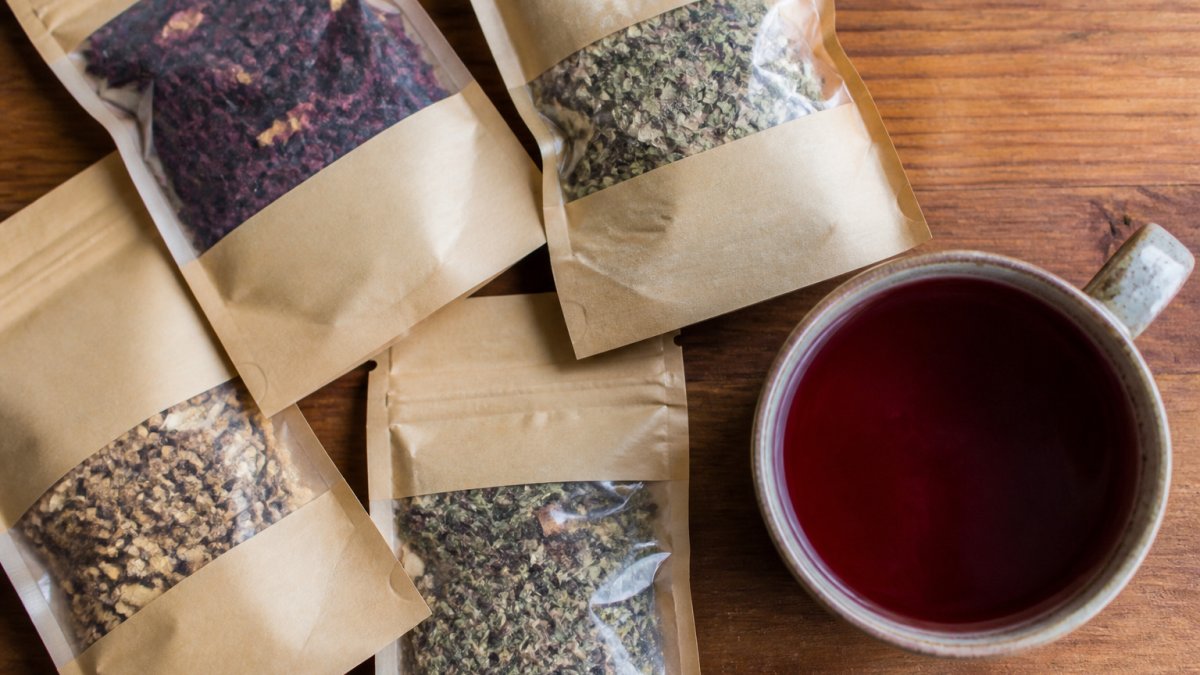
!Overhead view of several small pouches of dried Caribbean herbs and loose leaf tea on a wooden table, with a ceramic mug of deep red sorrel tea beside them
Sorrel: The Tangy Starting Point
Sorrel is the most approachable place to begin. It is the dried calyx of the hibiscus flower, and it brews a ruby-red cup that tastes bright and tart, closer to cranberry than to a delicate floral tea. You can shop the dried Jamaican sorrel hibiscus tea and brew it hot for five to ten minutes, or chill it for a cold drink.
- Caffeine: Naturally caffeine-free.
- Hot brew: Steep dried sorrel in boiling water for a few minutes, then strain.
Many households sweeten it with cane sugar or honey and add a squeeze of lime. It is naturally caffeine-free, which makes it a comfortable choice for an evening cup.
Soursop Leaf: Mild and Woody
If you want something gentler, soursop leaf is the answer. Soursop, also called graviola or guanabana, is the same plant as the fruit, but the leaf tea tastes mild and woody with a faint natural sweetness and almost no bitterness. It does not taste like the fruit at all.
- Caffeine: Naturally caffeine-free.
- Hot brew: Steep one tea bag in hot water for a warm herbal tea.
For a cup with minimal fuss, try the soursop leaf tea bags. For more body, the soursop and moringa blend combines the leaf with moringa in the same convenient format.


Cerasee and Guinea Hen Weed: For Bold Palates
Cerasee is the Jamaican name for the vine of the bitter melon plant. It is genuinely bitter, with a green, grassy middle and a dry finish. Most people soften it with honey, a slice of ginger or a squeeze of lime. You can find it as dried Jamaican cerasee loose leaf tea.
- Caffeine: Naturally caffeine-free.
- Hot brew: Steep dried cerasee in boiling water, then strain.
Guinea hen weed, known as anamu in parts of Latin America, has a strong garlic-like aroma that carries into the cup. It tastes earthy and savory rather than sweet. Fresh ginger balances the flavor well. The wildcrafted guinea hen weed loose leaf tea is a good option once you are ready for something bolder.
- Caffeine: Naturally caffeine-free.
Quick Flavor and Caffeine Comparison
| Tea | Flavor profile | Intensity | Caffeine | Best first cup |
|---|---|---|---|---|
| Sorrel | Tart, cranberry-like | Medium-high | None | Yes |
| Soursop leaf | Mild, woody | Low | None | Yes |
| Cerasee | Bitter, grassy | High | None | No |
| Guinea hen weed | Savory, earthy, garlic aroma | Medium-high | None | No |
Use this table as a starting point, not a rule. The fastest way to learn your preference is to brew a small cup of each and note whether you want more tartness, more bitterness, or a softer finish.
Caribbean Tea Ingredients and Regional Terms Explained
Caribbean tea names can be confusing, because the same plant often goes by several names and the same word can mean different things on different islands. Knowing the terms helps you shop and order with confidence, and it also helps you compare sellers, since the same ingredient can appear under different labels.
-
Sorrel: The Jamaican name for the hibiscus calyx (Hibiscus sabdariffa). It is not the leafy garden herb that shares the name. In much of the Spanish-speaking Caribbean, the same plant is called flor de Jamaica, and in parts of the French Caribbean it appears as groseille pays.
-
Soursop, graviola, guanabana: Three names for Annona muricata. Soursop is the English Caribbean name, graviola is Brazilian, and guanabana is Spanish. The leaf, not the fruit, is what is typically brewed.
-
Cerasee: The vine of Momordica charantia, the plant that also produces bitter melon. In other regions it is called bitter melon vine or karela vine. The bitterness is the point, but it is also why first-time drinkers should start with a short steep.
Soursop Leaf Tea Bags 40 Count – Graviola Herbal Tea | Caribbean Wellness Tea →
-
Guinea hen weed: Petiveria alliacea, also called anamu, mucura or gully root. The garlic-like aroma is a useful identifier when comparing products.
-
Medina: A traditional Jamaican bush herb that is rarely seen outside the island. The Jamaican Medina ground loose leaf herb tea is a gentle, earthy option.

Jamaican Medina Ground Loose Leaf Herb Tea 4oz – Traditional Wildcrafted Caribbean Herbal Tea -
Sarsaparilla: A root traditionally brewed across many cultures. The sarsaparilla root powder tea is an earthy alternative to leaf teas.
-
Bush tea: A general term for herbal infusions made from leaves, roots, and bark. It is not one specific plant, so a product labeled bush tea should list its ingredients.
How Island Terminology Varies
Terminology shifts with language and local custom. In Jamaica, sorrel, cerasee, and guinea hen weed are the common names you will see on packaging. In Puerto Rico and the Dominican Republic, Spanish names such as flor de Jamaica and guanabana are more common. In Trinidad and Tobago, fever grass is the everyday term for lemongrass. None of these differences change the plant, but they do change what you type into a search box or read on a label.
A practical rule: match the botanical name when you can. A product that lists Hibiscus sabdariffa, Annona muricata, or Petiveria alliacea is telling you exactly what is inside, regardless of which regional name appears on the front of the package.
Reading Ingredient Lists and Judging Quality
Sourcing and quality matter more for herbal tea than for many grocery items, because the product is often dried and sold by weight. A few checks go a long way:
- Ingredient list: Look for the plant name and the part used (leaf, calyx, root, vine). Single-ingredient products are easier to evaluate than blends.
- Origin: Country of origin is not a guarantee of quality, but it is useful context. A product that names where the herb was grown is easier to assess than one that does not.
- Freshness: Dried herbs should smell like the plant they came from. Sorrel should smell tart and fruity; guinea hen weed should have a clear garlic-like aroma. A flat or dusty smell suggests old stock.
- Product form: Loose leaf gives you control over strength and is easy to inspect. Tea bags are convenient and consistent. Powders dissolve or disperse differently and are best for roots and blends.
- Packaging: Resealable pouches and opaque packaging help preserve aroma. Store dried herbs in a cool, dark place and use them within the window printed on the package.
How to Make Jamaican Bush Tea at Home
Bush tea is simply a herbal infusion made from wild or garden-grown leaves and sometimes roots. You do not need special equipment. A kettle, a teapot or mug, and a strainer are enough.
Start with about one teaspoon of dried herb per 8 ounces of boiling water. Steep for five minutes for a balanced cup, then strain. Adjust from there. Bitter herbs like cerasee can be steeped for less time, while sorrel benefits from a longer steep for color and tartness.
For a traditional touch, simmer the dried sorrel with fresh ginger, a cinnamon stick and a few cloves, then leave the pot to sit overnight. Strain it the next day, sweeten to taste and serve over ice. Brewing this way is common at family gatherings across the island.
Sorrel Tea Benefits and What the Evidence Shows
Sorrel is a naturally caffeine-free herbal tea.
If you have a health condition, are pregnant, or take medication, speak with a qualified healthcare professional before adding any herbal tea to your routine. Herbal products are not a substitute for medical advice. Enjoy sorrel for its taste and cultural value, and treat any wellness claim with appropriate caution.
Choosing Your First Caribbean Tea from Rastaman Brew
Start with sorrel if you want something bright and easy, or soursop leaf if you prefer something mild. Move to cerasee or guinea hen weed once you know what you like. Rastaman Brew carries all of these as single-ingredient, caffeine-free products, so you can build a small tasting set without guessing.
Pick one tea this week, brew it the way described above, and note what you taste. Your second cup will tell you more about where to go next.
Frequently Asked Questions
What are the most popular types of Jamaican tea?
Rastaman Brew offers sorrel, soursop leaf, cerasee and guinea hen weed, all naturally caffeine-free.
How do you brew Caribbean herbal tea?
Pour boiling water over dried herb and steep, then strain before drinking.
Can you drink Caribbean herbal tea every day?
The Rastaman Brew teas listed in this article are naturally caffeine-free. Anyone who is pregnant, nursing, taking medication or managing a health condition should check with a qualified healthcare professional before adding a new herbal tea to their routine.
Is sorrel tea good for you?
Sorrel is made from the dried calyx of Hibiscus sabdariffa and is naturally caffeine-free.


